
Tinnitus assessment and care
Bothered by persistent ringing, buzzing or pulsing in your ears?
As an independent, locally owned audiology clinic in Blenheim and Picton, we’re ideally placed to assess and manage tinnitus. Some treatments like Lyric may support you while you’re sleeping.
Why are my ears ringing?
Tinnitus affects 15-30% of adults and becomes more common with age. Unlike most other sounds you hear, tinnitus isn’t coming from outside you. It’s created within your own hearing system, which can make it very difficult to live with.
- Age-related hearing loss
- Noise exposure
- Medications that harm the ear
- Ear problems, including infection, eustachian tube dysfunction, ear wax, otosclerosis (changes in ear bones) or muscle spasms in the inner ear
- Temporomandibular joint (TMJ) dysfunction
- Vascular (blood vessel) changes, including atherosclerosis and high blood pressure
- Head or neck trauma or tumours
- Vestibular migraines
- Meniere’s disease
- Chronic conditions like diabetes, anemia, lupus and rheumatoid arthritis.

We always look below the surface symptoms to explore what could be driving your tinnitus.

How does hearing loss lead to tinnitus?
About 80-90% of people with tinnitus have underlying hearing loss.
Hearing loss doesn’t just reduce what you hear. It also changes how your brain processes sound. When the brain receives less information from the ear, it may compensate by increasing activity in the hearing pathways. That activity can be perceived as ringing, buzzing or humming, even when the room is completely quiet.
This connection isn’t always obvious. Hearing often changes gradually, and many people don’t realise how much sound they’ve been missing until a hearing assessment shows the gap.
Objective tinnitus - hearing your heartbeat
Most tinnitus is subjective, meaning you’re the only one who can hear it.
Objective tinnitus is different. It’s a rare form of tinnitus that can, sometimes, be heard by a clinician using a stethoscope.
Objective tinnitus is generated within your ear or soft palate, usually related to changes in blood flow or muscle spasms. Some forms are pulsatile, producing a rhythmic whooshing, beating or thumping in time with your heartbeat.
You might notice the sound:

Keeps time with your pulse

Resembles blood rushing or a repeated thump

Is more noticeable when you’re lying down or on one side.
Persistent pulsatile or objective tinnitus needs medical investigation. We’ll assess your hearing and provide the audiological findings your GP needs for the next step.
Seek urgent medical care if tinnitus starts alongside sudden hearing loss, facial weakness, severe dizziness or new neurological symptoms.
Noise-exposed workers and ACC support
ACC may support hearing loss linked to occupational noise exposure, and we can lodge claims on your behalf after a detailed noise history and hearing test.[3] ACC funding relates to an accepted hearing injury rather than tinnitus alone, but where tinnitus occurs alongside noise-induced hearing loss, that support can help with both.
Living with tinnitus
Tinnitus is not easy to live with as its distracting noise can interfere with conversation, work, recreation or sleep. There is also a considerable overlap between depression and anxiety, and chronic tinnitus.
A tinnitus assessment can identify (and potentially relieve) the drivers of your tinnitus and also provide access to therapies that may ease its impact on your life.
What happens at a tinnitus appointment?

During a tinnitus assessment, we may:
- Ask when you first noticed symptoms, what sounds you hear, and whether they’re constant or pulse with your heartbeat
- Give you time to explain the impact tinnitus has on your life
- Check your ear canal
- Conduct a full hearing assessment.

We will then:
- Explain your results in plain language
- Recommend ear wax removal if there’s a build-up
- Discuss management of hearing loss if that’s contributing to tinnitus
- Refer anything needing medical investigation and management to the appropriate specialist.
How do hearing aids help with tinnitus?
Hearing aids don’t cure tinnitus, but they can make it far less noticeable by restoring the everyday sounds your ears have been missing.
Once your brain has more real sounds to focus on, like conversation, traffic or birdsong, there’s less need for it to fill the silence with tinnitus.
Introducing Lyric - tinnitus support that never turns off
Most hearing aids are removed at bedtime, meaning tinnitus begins buzzing in your ears just as you’re trying to sleep.
Lyric is different. It’s an extended-wear hearing aid that sits deep in your ear canal and is worn 24/7 for months at a time. It amplifies real sounds so there’s less silence for your brain to fill with ringing in the first place, including while you sleep. This round-the-clock sound therapy helps shut out tinnitus so you can get some shut-eye.
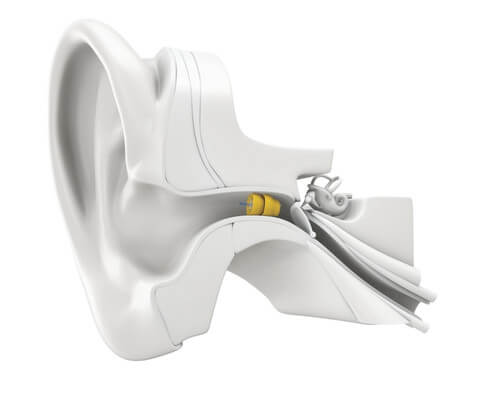
Lyric has been shown to:
- Reduce tinnitus annoyance faster than daily-wear hearing aids
- Improve sleep quality significantly when compared to daily-wear hearing aids during a 1-month trial.

Lyric doesn’t work for everyone with tinnitus, but it may be worth considering if you:
- Have hearing loss alongside tinnitus
- Find tinnitus becomes intrusive at night
- Want amplification while sleeping
- Prefer an extended-wear device rather than a daily hearing aid
- Are assessed as suitable for Lyric by your audiologist.
Blackmore Audiology is proud to be the Lyric provider for Marlborough and the top of the South Island.
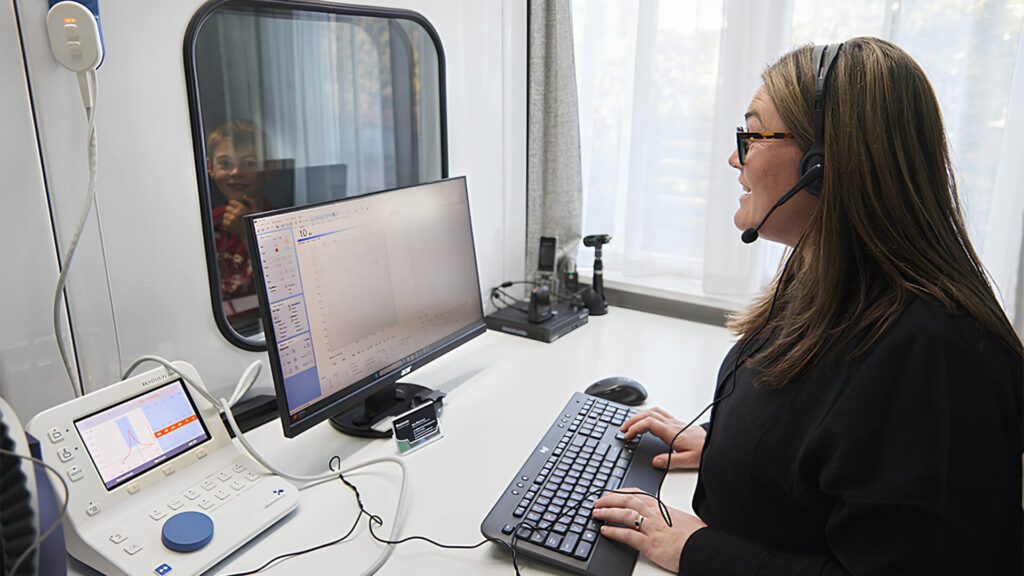
Book a tinnitus assessment
Tinnitus is more than an annoying noise. It can reduce your quality of life and often signals an underlying issue that needs clinical consideration.
If tinnitus is affecting your sleep, focus or relationships, please book a consultation at our Blenheim or Picton clinic.