
Ear wax removal in Blenheim and Picton
Sometimes a shower, swim or flight is followed by a sudden sense of blocked or muffled hearing, as if you were underwater. At other times, the changes are much more gradual, feeling more like a dull earache or an itch inside the ear.
At Blackmore Audiology, ear wax removal is performed by a qualified audiologist or audiometrist exercising clinical judgement within their scope of practice. Same-week appointments are often available.

NZ Audiological Society members
Adhering to NZAS guidelines for wax and foreign body removal.

Hands-free magnification
Clear view of the ear canal throughout assessment and removal.

Blenheim & Picton
Onsite appointments available, with satellite clinic in Picton fortnightly.
Everything you ever wanted to know about ear wax!
Ear wax (cerumen) is normal and, in the right amount, serves a useful purpose. It helps protect and lubricate the ear canal, traps dust and other small particles, repels water and, because it is naturally acidic, helps discourage bacteria and fungi. Most of the time, ear wax moves out of the ear on its own, helped by normal movement in the ear canal and jaw.
For some people, this natural clearing process does not work as well. Ear wax can build up or harden, creating a blockage that may affect your hearing and comfort, and the performance of your hearing aid (if you use one).

Why does ear wax build up?
Some people naturally produce drier, stickier or heavier wax. Others may be more prone to build-up because of:
- Age-related changes in the ear canal
- Narrow or curved ear canals
- Skin conditions such as eczema or psoriasis
- Regular hearing aid use
- Frequent use of earplugs or earphones
- Previous ear surgery or ear concerns
- Attempts to remove wax at home using cotton buds, ear picks or similar objects
Cotton buds and ear picks can push wax deeper into the canal, where it may be harder to remove and more likely to cause discomfort.

What does it feel like when ear wax builds up?
- A blocked, full or muffled feeling
- Hearing that sounds dull or underwater
- Ringing or buzzing in your ear
- Itchiness or irritation
- Dizziness or imbalance
- A hearing aid that sounds dull, whistles or cuts in and out
We never assume it’s ear wax as these symptoms can also be caused by other ear or hearing concerns. We check your ear canal and, where visible, your eardrum. If wax is not the likely cause, we will explain what we can see and talk you through the next step.
If hardened ear wax (impacted cerumen) is the cause, we often recommend removing it using microsuction.
Sometimes, we recommend softening the wax before your appointment by using a few drops of olive oil in the affected ear for two nights beforehand.
Wax removal by qualified hearing professionals
Ear wax removal involves working in a small, sensitive area of the body. At Blackmore Audiology, your care is provided by qualified hearing professionals who understand ear anatomy, hearing health and the clinical factors that affect whether wax removal is appropriate.
Our clinicians are
Qualified audiologists or audiometrists working within their scope of practice
Members of the New Zealand Audiological Society
Trained in the use of microsuction equipment and professional manual removal instruments
Following the New Zealand Audiological Society guidelines for wax and foreign body removal
Experienced practitioners with strong clinical judgement
Equipment that supports clear, controlled wax removal
Older wax removal methods like syringing had a flaw – the clinician couldn’t see the ear canal during the procedure! It could be hard to judge when to pause, change approach or stop.
That’s why we’ve invested in modern equipment designed specifically for ear care. Our clinicians use the VorOtek O Scope Headband Kit and medical loupes, providing clear, magnified visibility and depth perception throughout assessment and removal.
| Equipment feature | How it supports wax removal |
|---|---|
| Bright, focused light source | Illuminates the ear canal clearly during assessment and treatment. |
| Hands-free design | Allows the clinician to use both hands throughout the procedure. |
| Depth perception through converging lenses | Helps the clinician judge depth within the ear canal. |
| Magnified vision | Supports a clearer view of the wax and canal wall during removal. |
| Greater clinical control | Enables careful, precise work, deep in the canal when necessary. |
How we remove ear wax
There is no single method that suits every ear. Before proceeding, your clinician will assess your ear canal, symptoms, ear health history and the position and consistency of the wax, then choose the most appropriate method of removal.
We may use:
- Microsuction, which uses a tiny medical-grade vacuum cleaner to suck out the ear wax
- Professional manual removal using clinical instruments such as curettes
- A combination of the above methods.
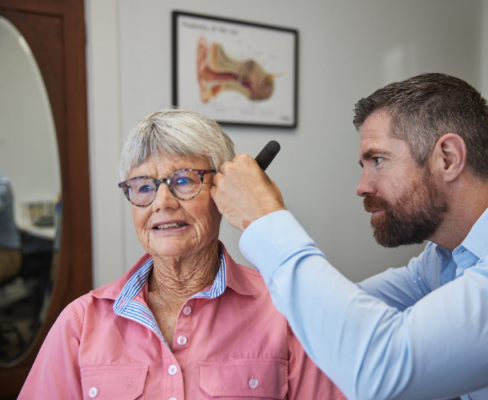
Microsuction and manual removal compared with ear syringing
Ear syringing uses water to flush wax from the ear canal. While syringing was once a common approach, it is no longer widely used by hearing and ear care providers in New Zealand.
At Blackmore Audiology, we assess each ear individually and use methods that allow direct visualisation, clinical judgement and controlled removal.
“Microsuction or other methods of manual removal under direct vision seem to offer the best efficacy and lowest risk.”
Gupta, T., & Bhutta, M. F. (2023).
Ear wax and its removal: Current practices and recommendations
The Hearing Journal, 76(9), 22–25.
How common methods of ear wax removal compare
Uses fine suction (microsuction) or instruments such as curettes to remove wax.
The ear canal can be viewed under magnification and bright light throughout removal.
Used by hearing and ear care professionals where clinically appropriate.
Assessment-led. Suitability depends on the individual ear, symptoms and clinical findings.
Can be noisy but is usually well tolerated. Some people notice a tickling, scratching or brief dizzy sensation.
May include temporary discomfort, irritation or dizziness. Suitability is assessed individually.
Uses water to flush wax from the ear canal.
The ear is checked before and after, but cannot be directly viewed during flushing.
No longer commonly used by many providers. Patients often still ask about it.
May not be appropriate for people with certain ear histories, including eardrum infection, surgery or mastoid concerns.
May feel wet, pressurised or briefly dizzy.
May include irritation, infection, discomfort or, in rare cases, eardrum perforation or ear canal injury.
We will explain the method we recommend before beginning and talk you through what to expect.
Wax and your hearing aids
If your hearing aid doesn’t sound like it used to, it’s easy to assume the device needs adjusting, or that it’s time for an expensive replacement.
But before you go down that path, it’s worth checking the simpler explanation first: wax in the canal or on the aid itself. Even a small amount of wax sitting in the ear canal, or caught on the hearing aid itself, can throw off a hearing aid’s sound quality.
| Hearing aid issue | How wax may contribute |
|---|---|
| Dull, muffled or underwater sound | Wax may block or reduce the sound pathway. |
| Whistling or feedback | Wax can cause sound to leak back through the system. |
| Sound cutting in and out | Wax may affect the receiver, dome or mould. |
| Conversations feel less clear | Wax may reduce clarity, particularly in softer speech. |
| Needing more volume than usual | Wax may make the aid seem weaker than it is. |
A wax removal appointment is a low-cost first step. If your aid still sounds dull, weak or distorted after wax is removed, we can discuss whether the device needs cleaning, servicing or adjustment.
What not to do at home
- Cotton buds inside the ear canal, as they can push wax deeper
- Ear candles, which are not recommended for ear wax removal
- Inserting objects into the ear canal
- Using over-the-counter wax removal products, as they often make the wax more difficult to remove.
- Using ear drops if you have ear pain, discharge, a known or suspected perforated eardrum, recent ear surgery, or have been advised not to use them.
Appointments and pricing
| Appointment type | Price |
|---|---|
| Standard appointment | $60 |
| Eligible ACC hearing loss claimant | $45 |
| Follow-up, if a second appointment is required | $30 |
| Eligible Veterans’ Affairs client | No charge |
If you are an ACC claimant or have served in the New Zealand Defence Force, ask us about your funding options when you book. We can guide you through what may apply.
Frequently asked questions
How do I know if it's wax and not something else?
A blocked or muffled feeling is commonly linked to wax, particularly after swimming, showering or extended hearing aid use. The same symptoms can, however, have other causes. We check your ears first and will let you know what we can see. If wax is not the likely explanation, we will talk you through the next appropriate step.
Does microsuction hurt?
Most people tolerate microsuction well. You may hear a suction noise and feel a tickling, scratching or gentle pulling sensation as wax is removed. Let your clinician know during the appointment if you feel pain, significant discomfort or dizziness. They can pause, reassess and decide whether to continue, change approach or stop.
Is microsuction the only method you use?
Why do you use the VorOtek O Scope and medical loupes?
The VorOtek O Scope Headband Kit and medical loupes allow our clinicians to see the ear canal clearly while keeping both hands free throughout treatment. The equipment provides a bright light source, magnified vision and depth perception through converging lenses, which supports precise, controlled work, allowing us to reach wax deep in the canal.
Is syringing available?
Ear syringing is no longer commonly used by many providers in New Zealand. At Blackmore Audiology, your clinician will assess your ear and use the method most appropriate for your situation. This may include microsuction, professional manual removal or, if removal is not suitable on the day, a recommendation for softening or review.
How long does an appointment take?
Most appointments take around 20–30 minutes, including examination of the ear canal before and after removal.
Should I use olive oil before my appointment?
Should I use over-the-counter ear wax drops?
Please check with us before using over-the-counter wax removal products. Some can make wax more difficult to remove at your appointment. If softening is appropriate, we commonly suggest olive oil instead.
Can wax removal help with tinnitus?
If ringing or buzzing is related to wax build-up, removing the wax may help. Tinnitus can have many causes, so if it continues after wax removal, we can talk you through assessment and management options.
Can wax removal help my hearing aids work better?
Yes, if wax is contributing to sound blockage or feedback. If your hearing aid still sounds dull, weak or distorted after wax is removed, we can discuss whether the device needs cleaning, servicing or adjustment.
Do you offer ear wax removal in Picton?
Yes. We run a satellite clinic at the Heartland Services Centre, 22 High Street, Picton, fortnightly on Wednesdays.
Local care you can rely on
Blackmore Audiology serves Blenheim, Marlborough and the surrounding regions.
You’ll find us at 21 Francis Street, Blenheim, with convenient access and nearby parking.
The Blackmore name is well known locally and reflects a long‑standing commitment to community‑based healthcare. Patients value seeing familiar clinicians who provide consistent, front‑to‑back care over time.