
Auditory Processing Disorder
Auditory processing disorder (APD), also known as central auditory processing disorder, occurs when the ears detect sound normally, but the brain has difficulty processing and interpreting what it hears.
It is a complex condition that often sits at the intersection of hearing, learning and neurological processing.
At Blackmore Audiology, APD assessment is informed by comprehensive experience in both audiology and speech and language development, allowing for a careful evaluation beyond standard hearing tests.
How auditory processing difficulties can present
People with APD often pass standard hearing tests, yet continue to struggle with understanding speech, particularly in challenging listening environments.
These difficulties are related to how sound is processed by the brain rather than how sound is heard by the ears.
Auditory processing difficulties are often subtle and may be misunderstood or overlooked. Common signs can include:
- Difficulty understanding speech in background noise
- Trouble following verbal instructions or multi-step directions
- Frequently asking for repetition
- Mishearing words or sounds
- Slow response to spoken information
- Listening fatigue or mental exhaustion
- Difficulty remembering what has been said
- Finding loud sounds distressing or uncomfortable
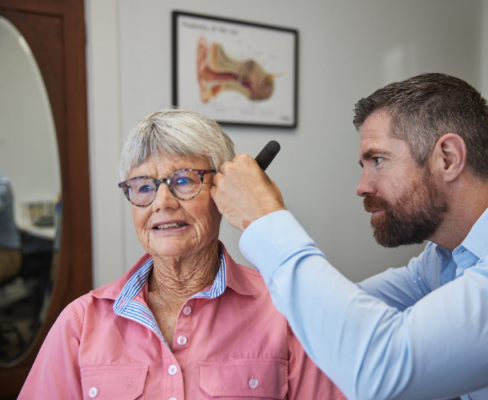
These challenges are not identified through routine hearing tests alone.
When auditory processing difficulties overlap with learning needs and neurodiversity
Auditory processing disorder can closely resemble, or co-exist with, other learning and neurodevelopmental differences. This overlap is one reason many individuals reach support services without a clear diagnosis.
Auditory processing difficulties are commonly observed alongside:

Dyslexia
Where challenges with phonological processing, sound discrimination, and auditory memory may affect reading and spelling.

Attention deficit hyperactivity disorder (ADHD)
Where listening difficulties may be interpreted as inattention or difficulty concentrating.

Autism
Where sensory processing differences can include difficulty interpreting speech, particularly in busy or unpredictable listening environments.
APD is not the same as dyslexia, ADHD, or autism, but may compound these conditions. Auditory processing challenges may contribute to learning difficulties, classroom fatigue, or reduced participation.
Understanding these overlaps allows for more accurate assessment and more meaningful support. Because these presentations can look similar on the surface, careful assessment is required to understand what is driving the listening or learning difficulty, and whether auditory processing is contributing alongside other factors.

Learning difficulties in children – when hearing tests are normal
If your child is experiencing difficulties at school, a hearing test is often recommended.
Parents and educators may notice that your child:
- Appears not to be listening at school
- Has difficulty understanding the teacher, especially in noisy classrooms
- Struggles to follow verbal instructions
- Shows delays in reading, spelling, or language development
- Shows increased frustration or withdrawal during learning activities
- Gets upset or distressed by loud sounds
Often, though, a hearing test is normal. The concern is not with your child’s hearing but with how their brain interprets sound.
Standard hearing tests cannot detect auditory processing disorder. Early identification can support learning, communication, and classroom participation before difficulties escalate.
Auditory processing difficulties in adults - hearing but not understanding
Auditory processing disorder is not limited to childhood. Many adults seek assessment after years of managing listening difficulties without clear answers. A common concern is hearing but not understanding, particularly in background noise.
Adults may:

Have difficulty following conversations in meetings or social settings

Need frequent repetition

Experience mental fatigue after listening

Have difficulty processing fast or complex verbal information

Avoid noisy environments
These challenges can affect work performance, confidence, and daily communication, even when hearing test results are within normal limits. For many adults, these difficulties become more noticeable as work demands increase, particularly in open-plan offices, meetings, or high-noise environments.
Identifying auditory processing difficulties can provide clarity and inform practical strategies at work and at home.

Auditory processing and concussion or head injury
Auditory processing difficulties can also occur following concussion or mild traumatic brain injury, forming part of post-concussion syndrome.
Changes may include:
- Reduced ability to filter background noise
- Slower processing of spoken information
- Increased listening fatigue
- Difficulty returning to work or study environments that rely heavily on verbal communication
- Finding loud sounds intolerable
ACC-funded assessment and rehabilitation may be available following a head injury or concussion for eligible individuals. Auditory processing assessment can form an important part of a wider rehabilitation plan, particularly where listening fatigue or difficulty processing spoken information is affecting return to work or study.
Identifying auditory processing difficulties as part of recovery can support return-to-work planning, cognitive load management, and workplace accommodations.

Assessment of auditory processing disorder
Assessment of auditory processing disorder is completed by an audiologist with specific training in central auditory processing.
Unlike standard hearing tests, APD assessment focuses on how sound is processed by the brain and may include:
- Comprehensive auditory processing tests
- Speech-in-noise assessments
- Auditory memory and sequencing tasks
- Consideration of listening behaviour in everyday environments
- Review of learning, neurological, or injury history
Assessment is tailored to the individual’s age, concerns and functional needs.
A broader clinical perspective
At Blackmore Audiology, auditory processing assessment is informed by an understanding of communication, learning and brain-based processing.
Sara Blackmore’s background in Speech and Language Therapy provides valuable insight when auditory processing difficulties intersect with:

Speech and language development

Literacy and learning challenges

Neurodiversity

Cognitive or neurological recovery
This multidisciplinary perspective supports clearer explanations, more targeted recommendations, and practical strategies across home, school, and workplace settings.
How to manage APD
Because the brain can adapt and change over time, structured auditory training and appropriate listening support can help strengthen auditory processing skills.
Evidence-based treatments for APD include:

Auditory training
Designed to support the brain’s ability to process and interpret sound more effectively
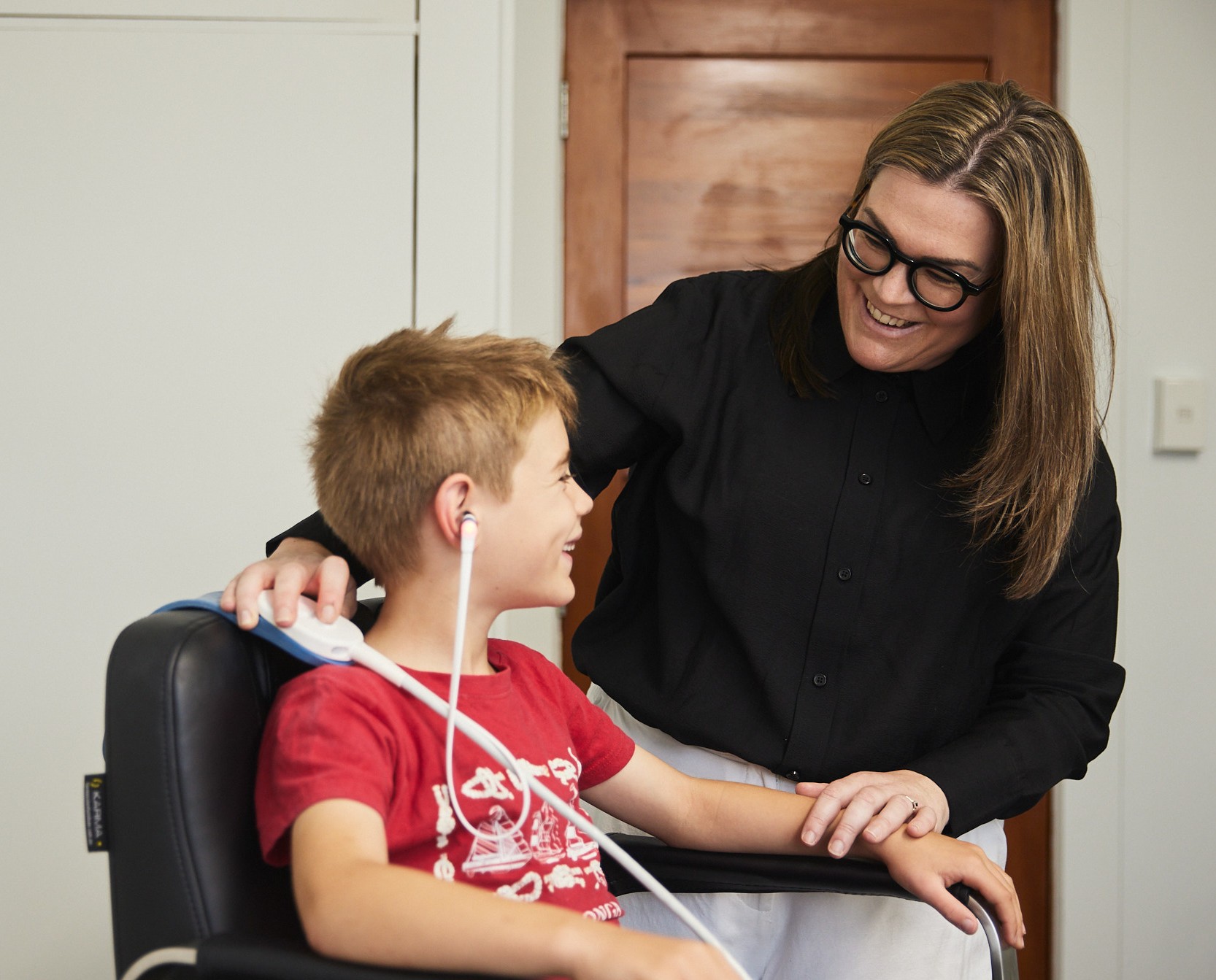
Assistive listening technology
Such as remote microphone systems, for medium-term support in challenging listening environments

Speech and language therapy
Particularly for children, where difficulties with language, phonological processing, or literacy are also present
When to consider an auditory processing assessment
An auditory processing assessment may be helpful if you or your child:
- Has learning difficulties despite normal hearing results
- Struggles to understand speech in noisy environments
- Appears not to be listening or following instructions
- Has ongoing listening difficulties after a concussion or head injury
- Has dyslexia, ADHD, or autism and continues to experience listening challenges
Early assessment can provide clarity and direction, even before a clear diagnosis has been established.
Blackmore Audiology provides comprehensive auditory processing assessments for children and adults, including support for ACC-funded recovery following head injury.