
Book Now

What is Auditory Processing Disorder?

We don’t just hear with our ears; the brain is where we process sounds and make sense of them.

Auditory Processing Disorder (APD), sometimes known as Central Auditory Processing Disorder (CPAD), is a term used for a condition where the ears process sound normally, but the brain is not able to accurately or quickly process the information.

APD can affect both children and adults.

You can be born with APD or acquire APD from a brain injury, disease or even as a part of the aging process.

See the New Zealand Audiological Society APD guidelines here.

Signs that you or your child may have APD:

  • Struggling at school or work
  • Difficulty following complex instructions
  • Mishearing what people say
  • Struggling to remember verbal instructions
  • Being overwhelmed by complex listening environments
  • Sensitivity to loud sounds
  • Slowness in processing spoken information
  • Poor listening skills
  • Needing the TV/Radio turned up
  • Difficulty understanding in the presence of other sounds
  • Insensitivity to tone of voice or other nuances of speech

Auditory Processing Assessments

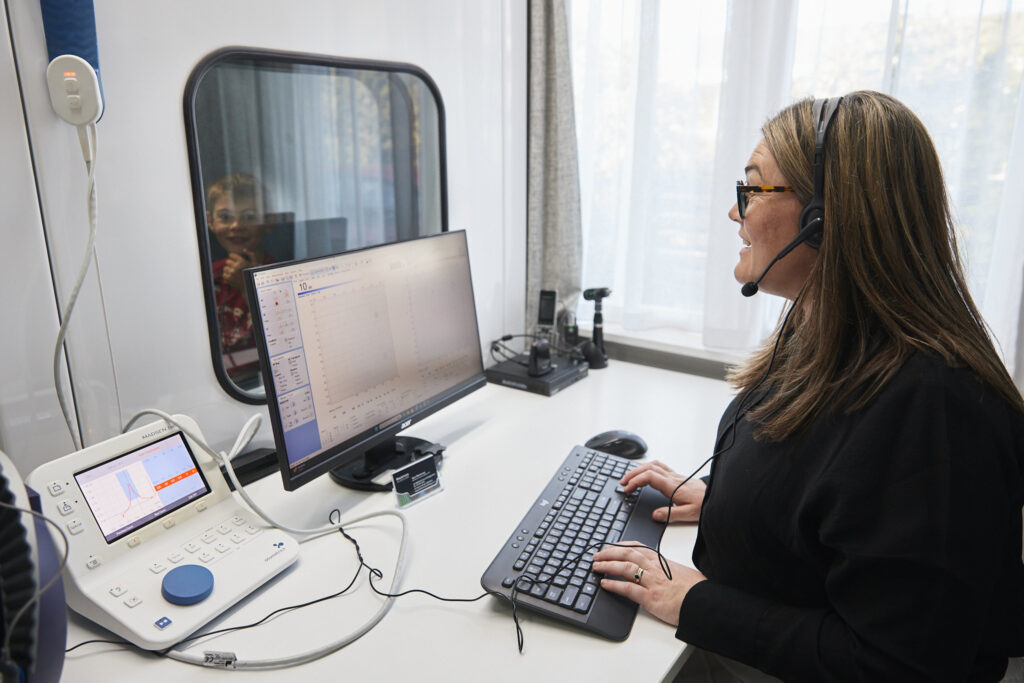
We assess for Auditory Processing Disorders here at our clinic in Blenheim. Before booking an APD assessment we will need a recent hearing test to confirm the status of your underlying hearing ability. We recommend doing this at a separate appointment.

The APD assessment consists of several tests, each of which provides us with information on a different way we process sound. Some of the auditory skills we access include:

  • how the brain isolates and combines information from each ear
  • how well the brain distinguishes different patterns and tones in sound
  • how the brain orders and remembers sound
  • how well the brain focuses on speech in background noise

We then compare results of each test to age matched peers to determine if there are any issues and with what specific auditory processing skills. This information is collated into a report, which will include specific recommendations based off the findings.

Auditory Processing Disorders Treatment

Auditory Training

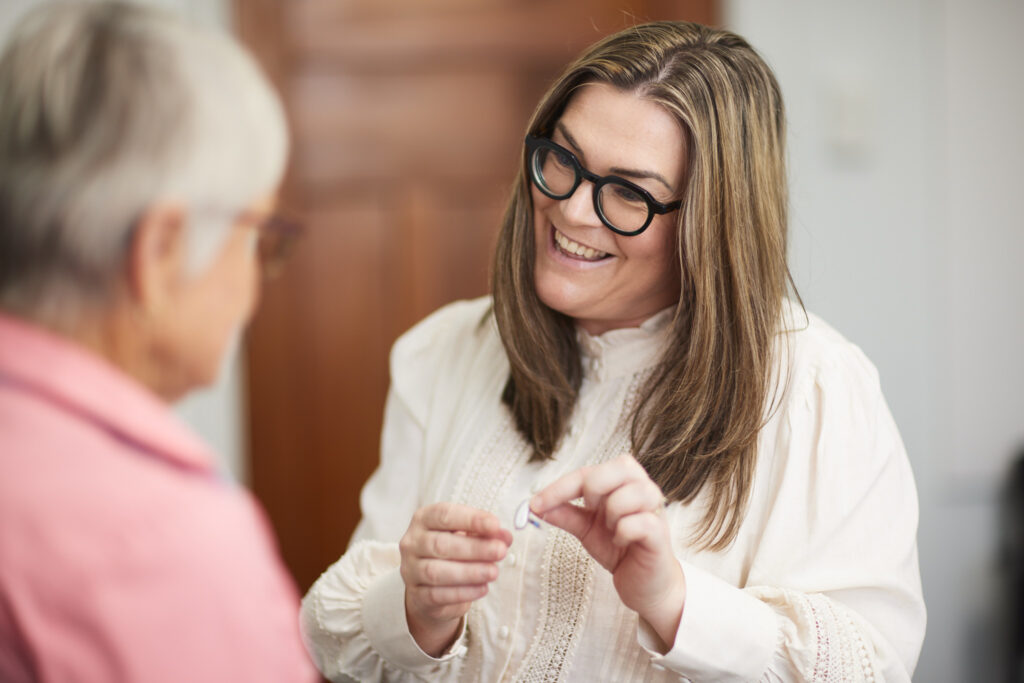
  • We offer a 12-week auditory training program here in Blenheim, to treat APD. This is typically one 1-hour session per week with Sara our Audiologist who has completed a Bachelor of Speech and Language Therapy.
  • During these sessions we work through listening activities which target, auditory memory, identifying individual speech sounds, dichotic listening, temporal training, putting speech sounds together to form words and learning to tolerate and hear better in background noise.
  • This training program can be beneficial for anyone who has difficulty hearing and following conversations. This includes people who have hearing loss and hearing aids, people who have had a head injury and adults or children who have APD.
  • We also offer a range of therapy options that are self-directed and accessed from anywhere.

Remote Microphone/Amplification

  • People with APD can also benefit from amplification through either hearing aids and/or a remote microphone system.
  • A remote microphone is a microphone that acts as a third ear that is either worn by another person, placed on a table between multiple people or pointed in the direction of the person speaking. It then sends the sound directly to the user’s ears.
  • This helps with auditory processing disorder by providing a short-term benefit in making listening easier in an immediate setting, as well as a long-term benefit in changing and strengthening neural pathways to improve auditory skills.
  • Our audiologist Sara will discuss the different options with you.

Auditory Processing Disorders Frequently Asked Questions (FAQs)

How common is APD?

The overall prevalence in
children in New Zealand is estimated at 6.2%, with
higher rates in some populations. APD prevalence is estimated to be higher in adult populations.

How long is an APD Assessment?

We allow 2 hours for an APD test, this enables us to have plenty of breaks to make sure concentration does not affect the results. The initial hearing test is done at a separate appointment.

What can cause APD?

Some causes of APD are listed below:

  • traumatic brain injury
  • blast injury
  • hereditary developmental abnormalities
  • antenatal, perinatal and postnatal factors including prematurity and low birth weight, prenatal anoxia, prenatal exposure to cigarette smoke or alcohol, hyperbilirubinemia
  • diseases, toxins and neurological conditions affecting the brain including space-occupying lesions.
  • auditory deprivation
  • aging

Can APD exist with other disorders?

Yes, APD can co-occur with other disorders.

  • neurological disorders affecting the brain
  • difficulty with reading or spelling
  • dyslexia
  • autism spectrum disorder
  • language disorder or delay
  • brain injury

Because APD can affect the correct and rapid recognition of phonemes, the sounds of speech, it can be an underlying cause of language, phonological awareness, spelling, and reading problems including dyslexia.

What age can we test for APD?

We can start gathering information on a child’s auditory processing skills in from about age 5. Due to the way the brain matures we are unable to make a diagnosis of APD until the age of 7. We know that starting treatment early is beneficial.

There is no upper age limit to testing for APD.

Can APD be treated?

Yes, through auditory training in clinic or at home and through remote microphones and hearing aids.